
Streamlining the Construction Material Ordering and Approval Process
See how a construction company improved material ordering efficiency by 23% through digital requests, standardized item lists, approval workflows, and centralized order tracking.
CONSTRUCTIONCASE STUDYPROPERTY MANAGEMENT
7/8/20265 min read
Brief Overview
A small residential construction and property management company needed a more reliable way to manage material requests and orders across its project sites. Paper-based requests, language differences, missing order information, and the lack of a centralized approval system were causing delays, incorrect purchases, and unnecessary costs. Roadmap Consulting redesigned the material ordering process by introducing standardized item lists, digital order submission, manager approvals, availability checks, and centralized order tracking. The new workflow improved process efficiency by 23% while reducing ordering errors and delays.
Client Background
The client is a small construction and property management company specializing in residential buildings.
Its teams regularly order construction materials, tools, fixtures, and supplies for multiple properties and project sites. Many of these requests originate from workers on-site and must be reviewed, approved, purchased, and delivered within project deadlines.
The company needed a structured material ordering process that could support clear communication between site workers, the order manager, and company leadership.
The Challenge
The existing construction material ordering process relied heavily on handwritten paper requests and informal communication.
Workers submitted lists of the materials they needed, often using different languages and product descriptions. These requests then had to be interpreted, reviewed, and manually converted into orders.
The process created several operational problems.
Inconsistent material requests
Workers described products in different ways, making it difficult for the person responsible for ordering to identify the correct material, size, model, or tool.
Some requests were submitted in Spanish, which created additional communication gaps when the order manager or approver needed clarification.
Lost paper requests
Material requests were frequently submitted on paper.
These forms could be misplaced, damaged, or overlooked before the order was completed. Missing requests delayed material delivery and sometimes affected the progress of on-site work.
No centralized order tracking
The company did not have a reliable system for tracking requested, approved, ordered, and delivered materials.
Workers and managers could not easily confirm whether an item had already been ordered or when it was expected to arrive.
Incorrect materials and unnecessary returns
Workers occasionally selected the wrong product or tool.
This led to incorrect orders, returns, replacement purchases, and additional trips to the store. These errors increased costs and took employees away from their primary responsibilities.
Product availability issues
Standard materials were not always available at the preferred store or within the required delivery period.
The order manager had to search manually for alternatives and confirm whether the replacement product was suitable.
Delayed approvals
There was no centralized process for reviewing and approving orders.
Requests could remain unresolved while workers waited for a manager’s response. The company also lacked a clear record of who approved each purchase.
These issues increased material costs, slowed project delivery, and reduced productivity across construction sites.
The Solution
Roadmap Consulting designed a centralized digital material ordering and approval process.
The redesigned workflow standardized how materials were requested, selected, approved, ordered, and tracked.
The solution focused on four main areas:
Standardizing commonly ordered materials
Centralizing material requests
Introducing a manager approval process
Checking availability and selecting alternatives before orders were submitted
Standardized Material Lists
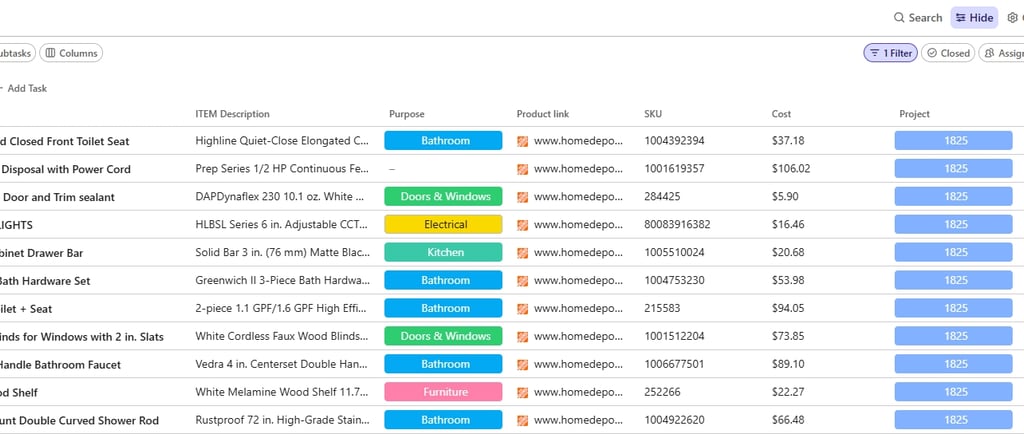
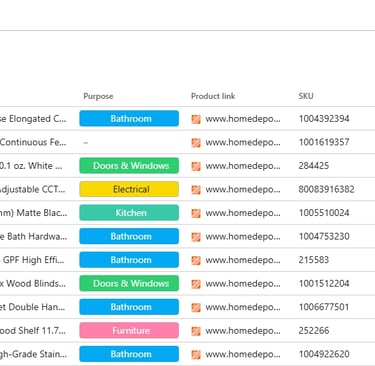
Predefined lists of commonly used materials were created for each construction site and apartment type.
These lists included the preferred products, specifications, and other information required to identify the correct item.
Standardized lists helped the team avoid unclear product descriptions and reduced the possibility of ordering the wrong materials.
They also made it easier to reuse previously approved items across similar projects.
Centralized Material Requests
Instead of submitting handwritten order forms, workers communicated their material needs to a designated order manager.
The order manager reviewed each request and added the required items to the digital ordering platform.
This created one central location for active orders and ensured that requests followed the same process regardless of the project site or worker submitting them.
Centralized communication also helped overcome language differences because the order manager could confirm the request before adding products to the system.
Manager Approval Workflow
Once an order was prepared, it was sent to the responsible manager for review.
The manager could check:
Requested materials
Product quantities
Product specifications
Prices
Delivery fees
Pickup options
Estimated availability
Proposed replacement items
The manager could then approve the order directly within the system.
This introduced a clear approval point before purchases were completed and created greater accountability for material spending.
Product Availability Checks
The order manager checked product availability with the retailer before adding items to the final order.
When a preferred product was unavailable within the required timeframe, an alternative item was identified.
The replacement product was then included in the order and submitted to the manager for approval.
This helped prevent delays caused by ordering products that were out of stock or unavailable for timely delivery.
Cost and Delivery Review
Each order was reviewed to determine the most cost-effective fulfillment option.
The team compared:
Delivery fees
In-store pickup options
Product availability
Required delivery dates
Alternative products
The operational cost of collecting materials
This allowed managers to balance purchase price, delivery costs, and project deadlines before approving an order.
Redesigned Material Ordering Workflow
The new construction procurement process followed these steps:
1. A worker identifies the required material
The site worker informs the designated order manager which materials, tools, or supplies are required.
2. The order manager reviews the standardized list
The order manager checks whether the requested item is already included in the approved material list for the site or apartment type.
3. Product availability is confirmed
The preferred product is checked for availability, delivery time, and pickup options.
4. An alternative is selected when required
If the standard item is unavailable within the required timeframe, the order manager identifies a suitable alternative.
5. The order is entered into the digital system
The requested items, quantities, prices, and fulfillment information are added to the centralized ordering platform.
6. The manager reviews the order
The responsible manager reviews the order details and confirms that the products, costs, and delivery options are appropriate.
7. The order is approved
The manager approves the purchase directly in the system.
8. The order is completed and tracked
Once approved, the order is submitted and its progress can be monitored through the centralized platform.
Results
23% improvement in ordering efficiency
The centralized digital workflow improved the overall efficiency of the material ordering process by 23%.
Requests moved through preparation, review, approval, and ordering more quickly.
Fewer lost material requests
Replacing handwritten paper requests with a centralized system reduced the risk of requests being misplaced or forgotten.
Reduced ordering errors
Standardized item lists and manager approvals helped ensure that the correct products, quantities, and specifications were selected before purchases were completed.
Fewer returns and replacement orders
More accurate product selection reduced the time and cost associated with returning incorrect materials and placing new orders.
Faster material acquisition
The structured approval workflow reduced delays and enabled the company to order materials more reliably.
Better cost management
Managers could compare delivery, pickup, availability, and alternative product options before approving an order.
This supported more informed purchasing decisions.
Improved accountability
Each order followed a defined review and approval process.
Managers had better visibility into requested materials, costs, and purchase decisions.
More productive site teams
Workers spent less time resolving ordering problems, returning incorrect items, or searching for alternative products.
They could focus more of their time on construction and property-related work.
Business Impact
The company moved from an informal, paper-based material ordering process to a centralized and standardized digital workflow.
Material requests became easier to review, approve, and track. Standardized item lists reduced errors, while availability checks and alternative product selection helped prevent avoidable project delays.
The new approval system also gave managers greater control over purchasing decisions and material costs.
By improving communication, accountability, and order visibility, the solution created a more reliable procurement process that can support additional construction sites and projects as the company grows.